Case study by Gabriel Espinheira, senior full-stack engineer
Taste Vault, where AI agents rebuild the designs I study
Agents turn a website I'm studying into a build prompt. A coding agent then rebuilds the page without seeing the original, to test whether the prompt holds the design.
In four weeks, in numbers
56
designs rebuilt from their own prompt
192,198
words of build prompts
802
issues the agents caught in their own rebuilds
125
commits from 13/09 to 11/10/2026
Counts from the vault and its repository on 12/10/2026.
The rebuild is the test
I treat a build prompt like code: it isn't finished until something checks it. Here the check is a coding agent rebuilding the page from the prompt, without the screenshot.
01
Capture
A screenshot, a URL or a right-click in Chrome adds a reference. Most are screenshots; a live URL gets headless Chrome, which photographs each section once it stops moving.
02
Read
The palette is measured from the pixels, and a live page's CSS gives up its fonts. A model then titles the design and tags it from a fixed list, so the vault can be searched by style, layout or section.
03
Prompt
An agent writes the build prompt: structure, spacing, type, colour in hex, motion, responsive rules and what to avoid. It has to carry the design on its own, because the next step never sees the screenshot.
04
Rebuild
GPT Image 2 makes any imagery first, from its own prompt with the original as a style reference. Then a coding agent builds a standalone page from the build prompt, without the screenshot.
05
Review
The agent opens its page at 1440, 768 and 390 pixels wide and checks for overflow, overlapping text, broken images and animations that never played. Then it fixes its own page.
06
Compare
The rebuild sits over the reference with a seam that wipes between them. When they differ, the prompt is fixed or the next build gets a written fix note, and earlier versions are kept to compare.
Two of the closest rebuilds
Taste Vault is a study tool, and the references are other designers' work. Drag across each pair: the layout and type come from the prompt, while each rebuild writes its own name and copy.
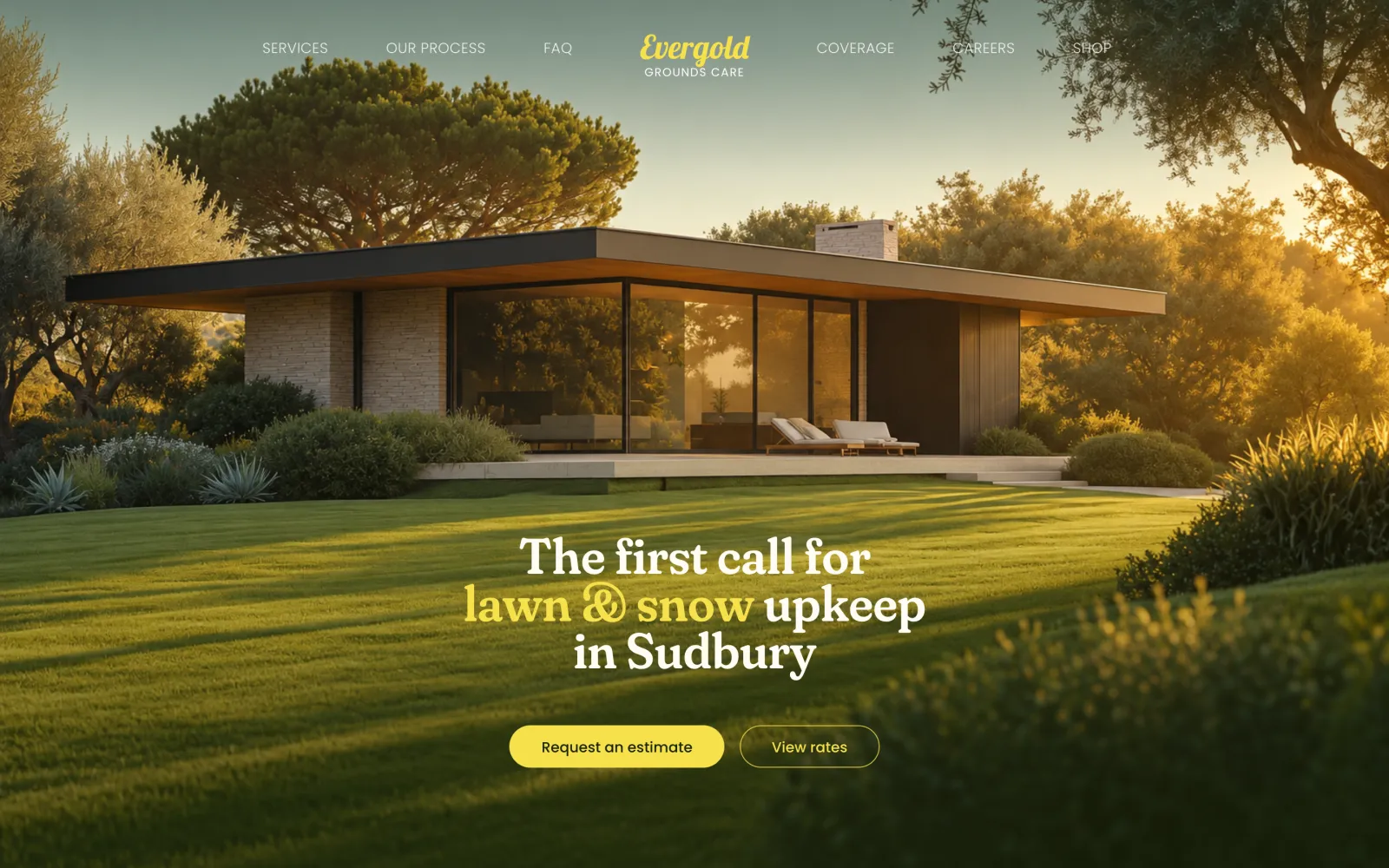
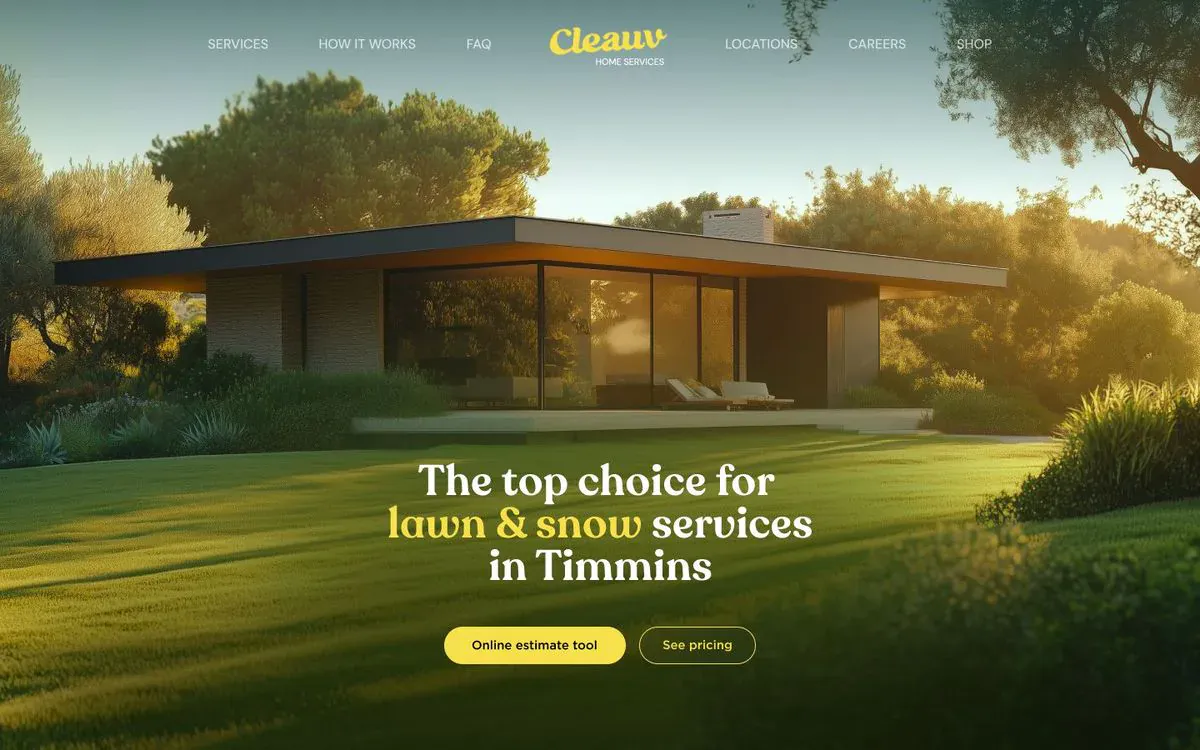
Lawn services hero, from a Pinterest pin. Claude Opus 5.5 rebuilt the centred serif headline and the split menu from the prompt, under the name Evergold.
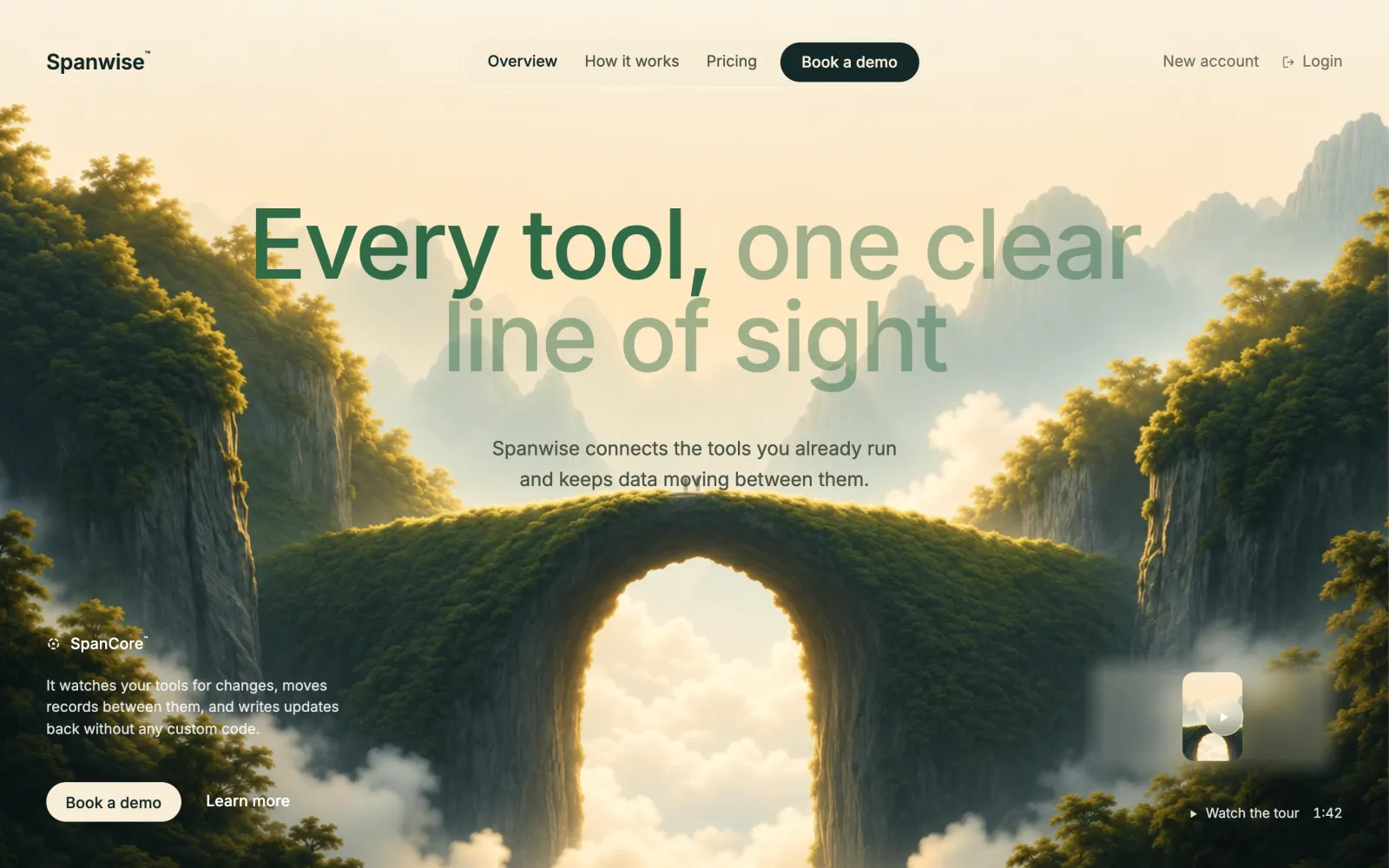
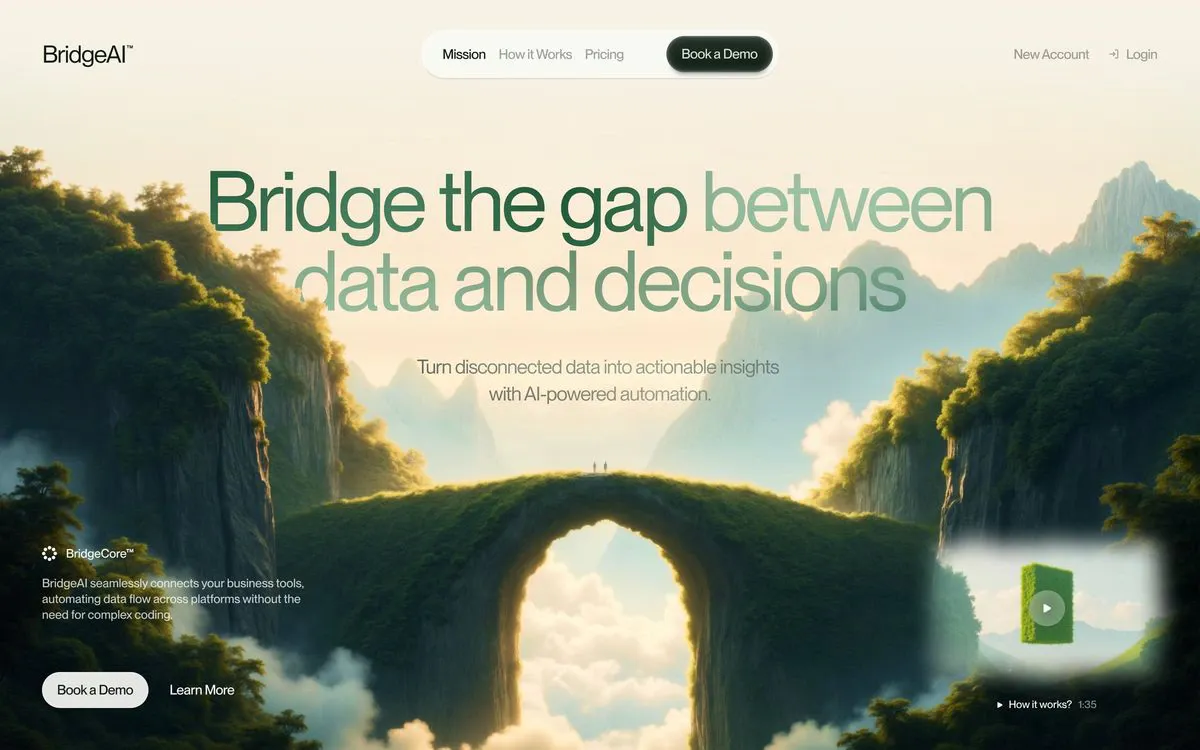
Landscape hero for a fictional AI company. Claude Opus 5 rebuilt the two-tone green headline and the glass video card from the prompt, under the name Spanwise.
47 rebuilds you can open
Here are 47 of the 56, each built by a coding agent from its prompt without seeing the original. The showcase puts every one next to its reference.
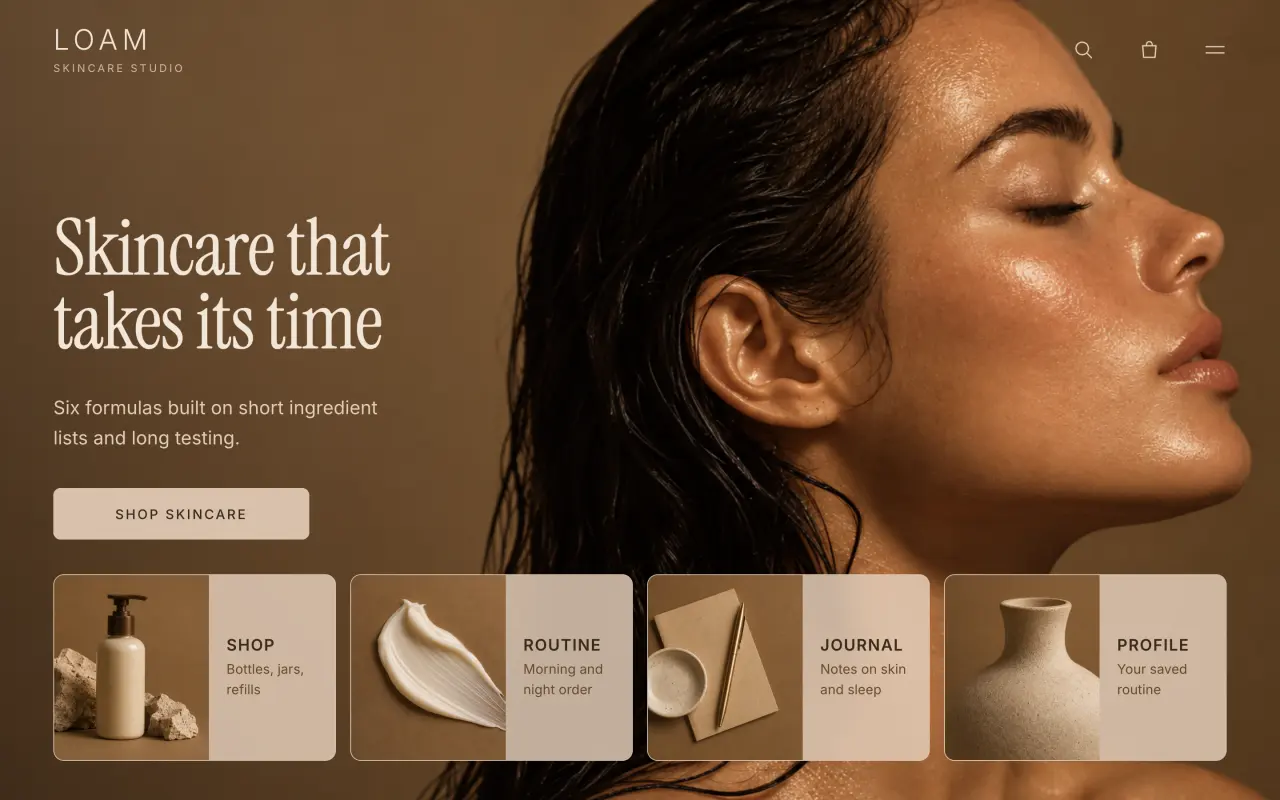 Earth-tone skincare heroOpus 5
 Full-bleed landscape heroOpus 5
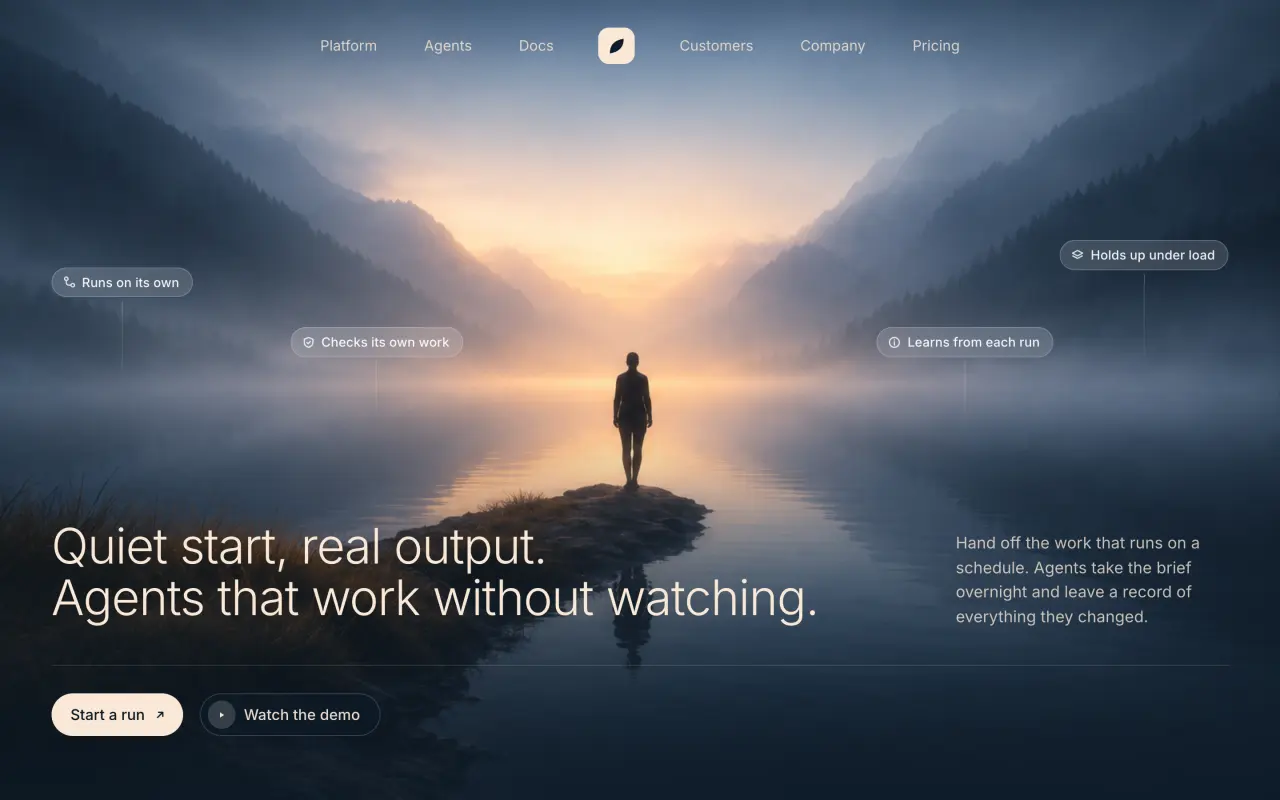 Cinematic AI agent heroOpus 5
 Construction firm photo heroOpus 5.5
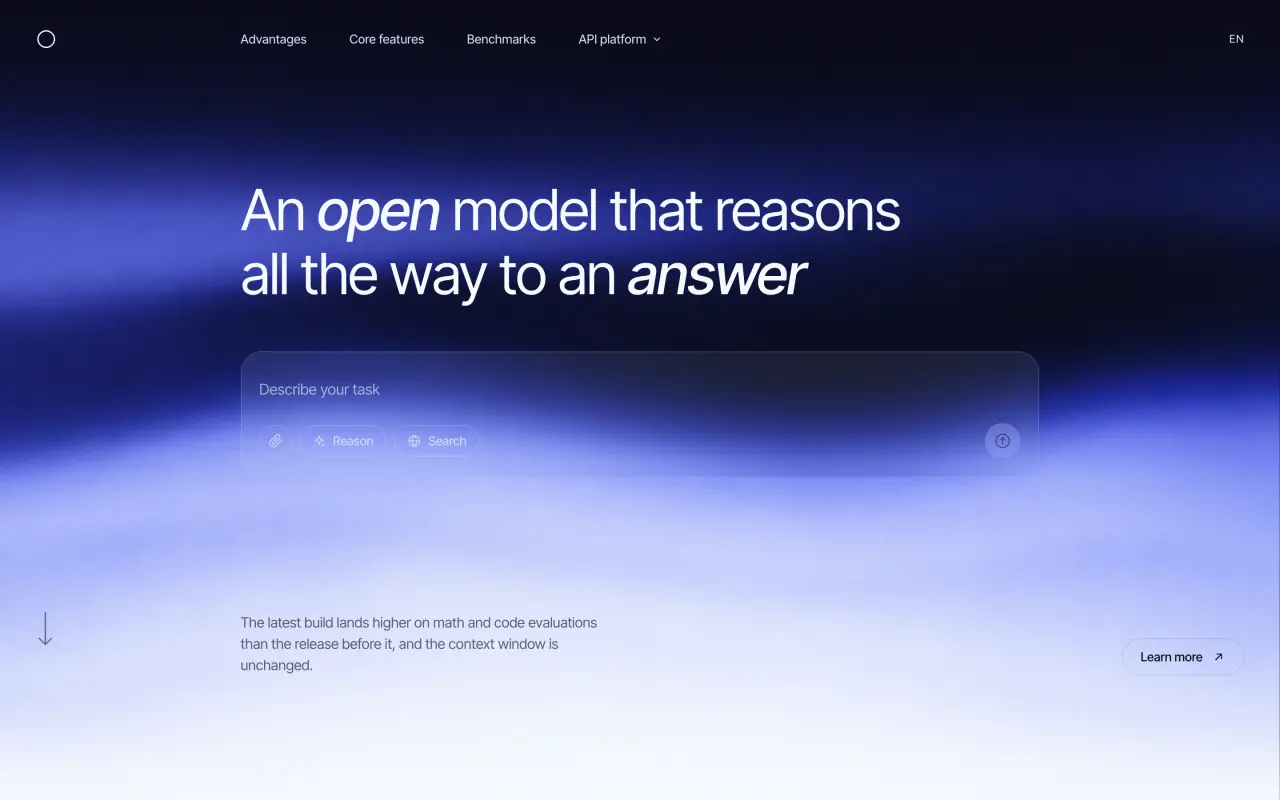 Dark AI model landingOpus 5
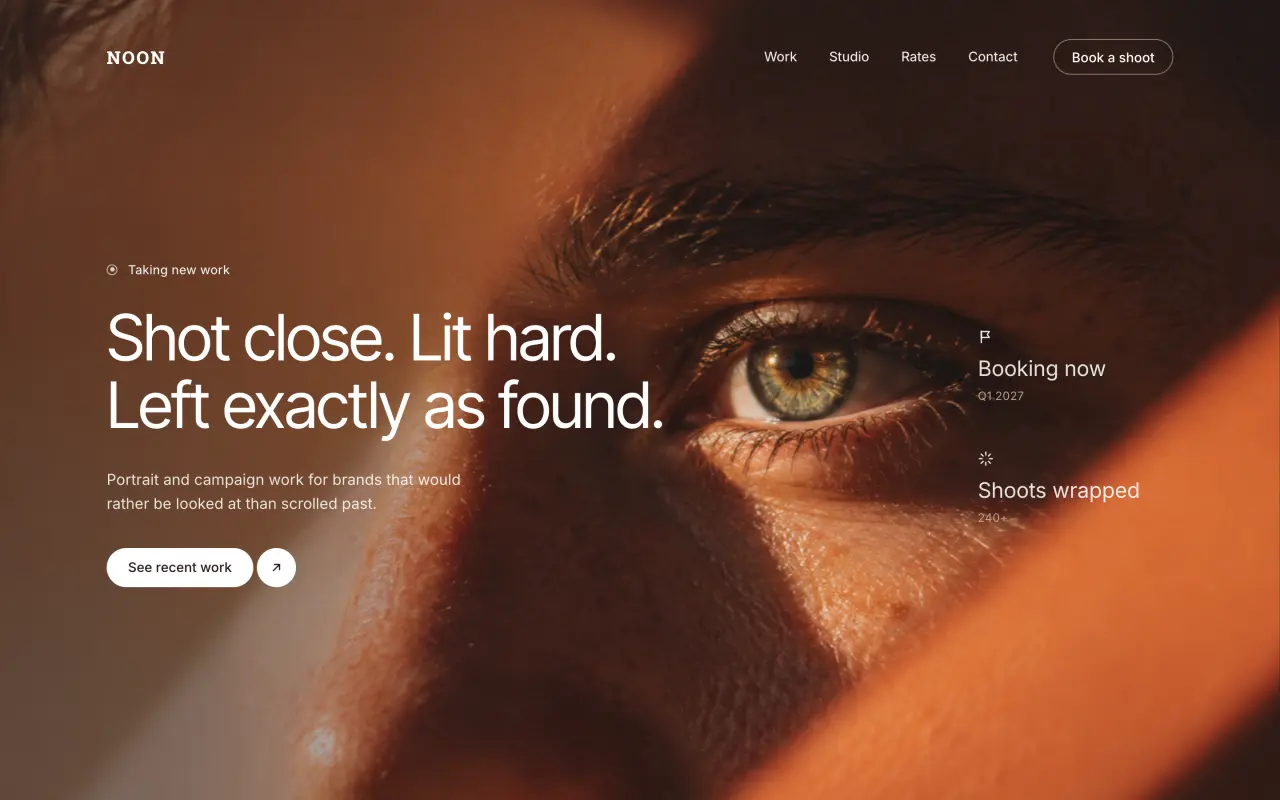 Photography studio heroOpus 5
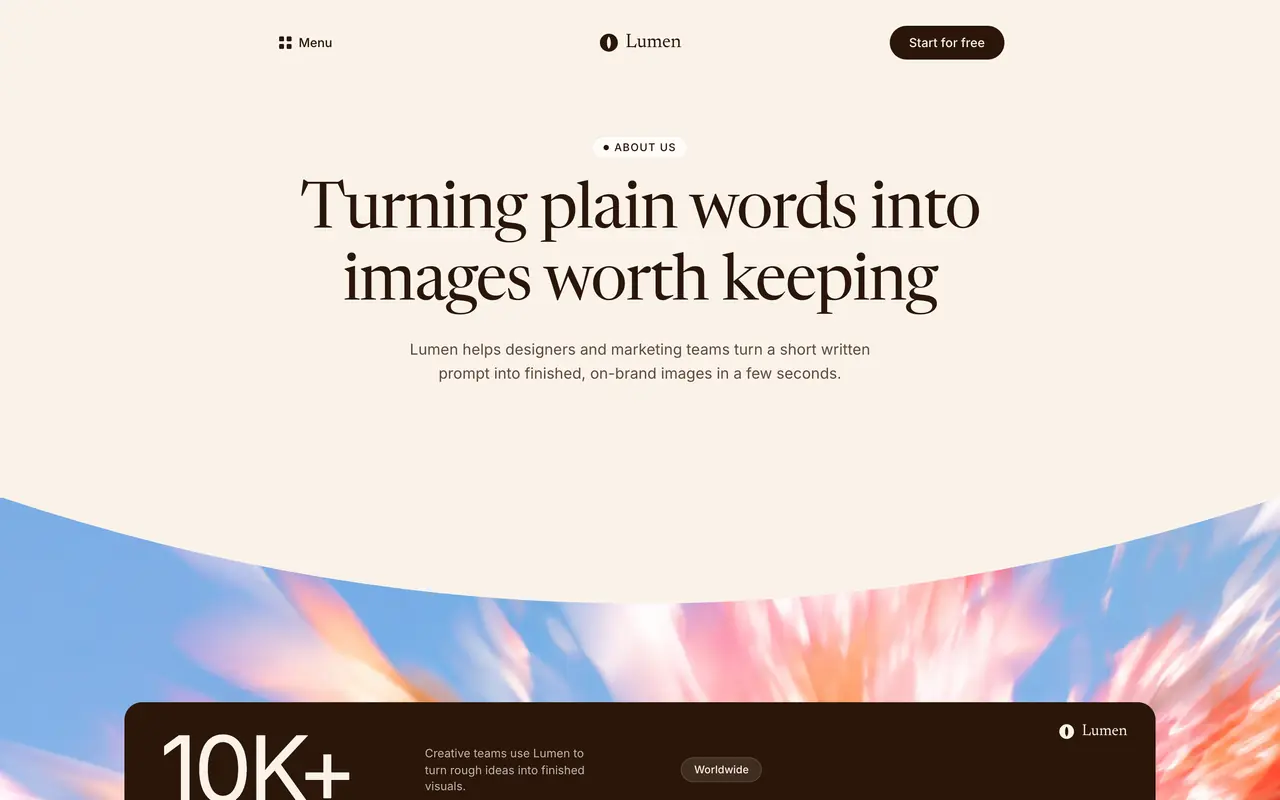 AI image studio about pageOpus 5.5
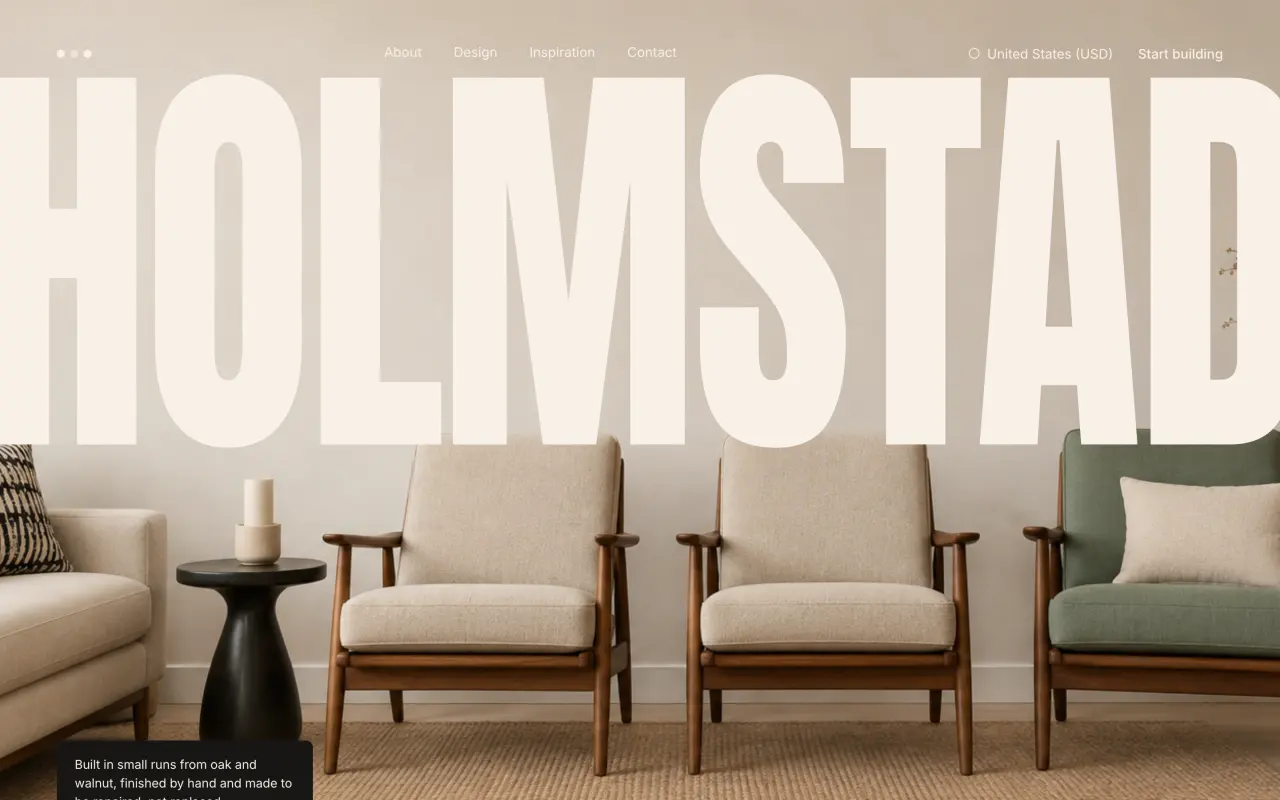 Furniture shop homepageOpus 5
 Therapy practice homepageOpus 5.5
 Data gateway heroOpus 5
 Smart garden case study heroOpus 5.5
 Builder real estate landingOpus 5
 Solar energy landing pageOpus 5.5
 Tennis academy landing pageOpus 5.5
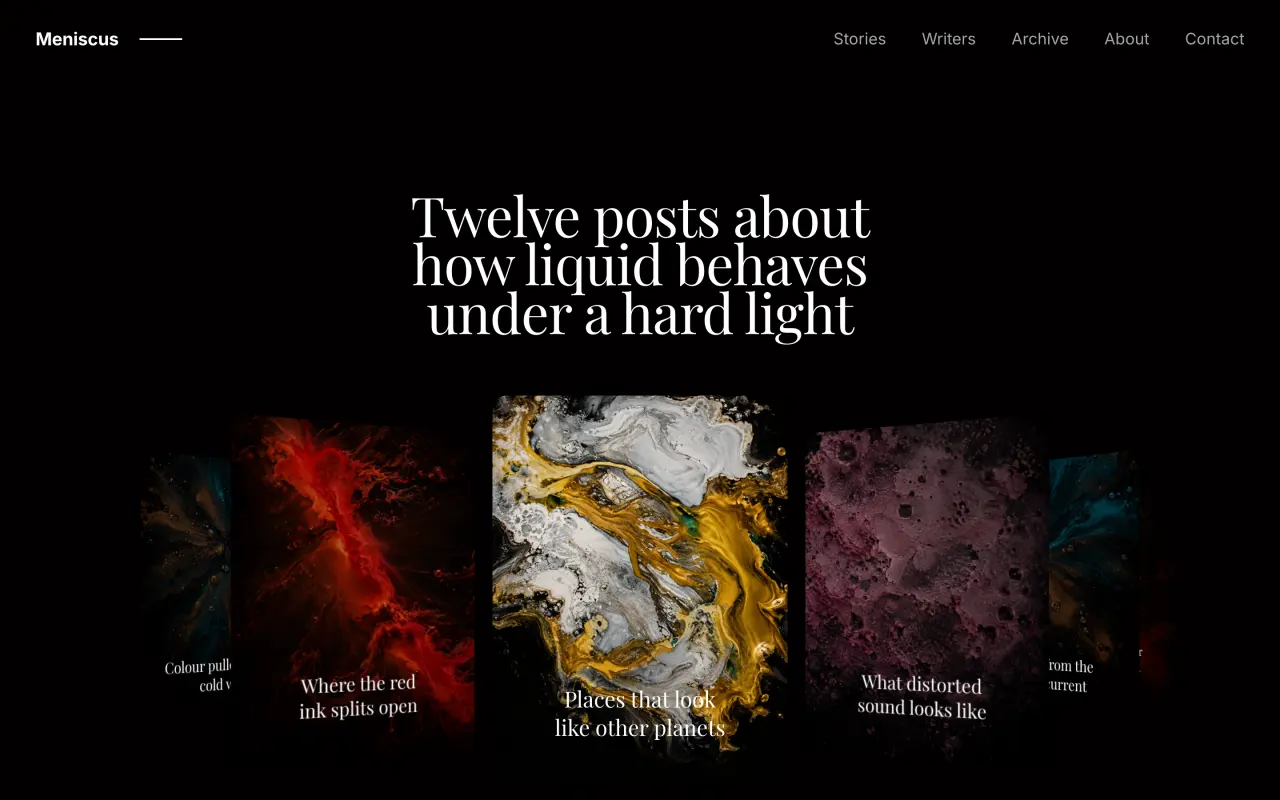 Dark post carouselOpus 5
 Red creative agency landing pageOpus 5.5
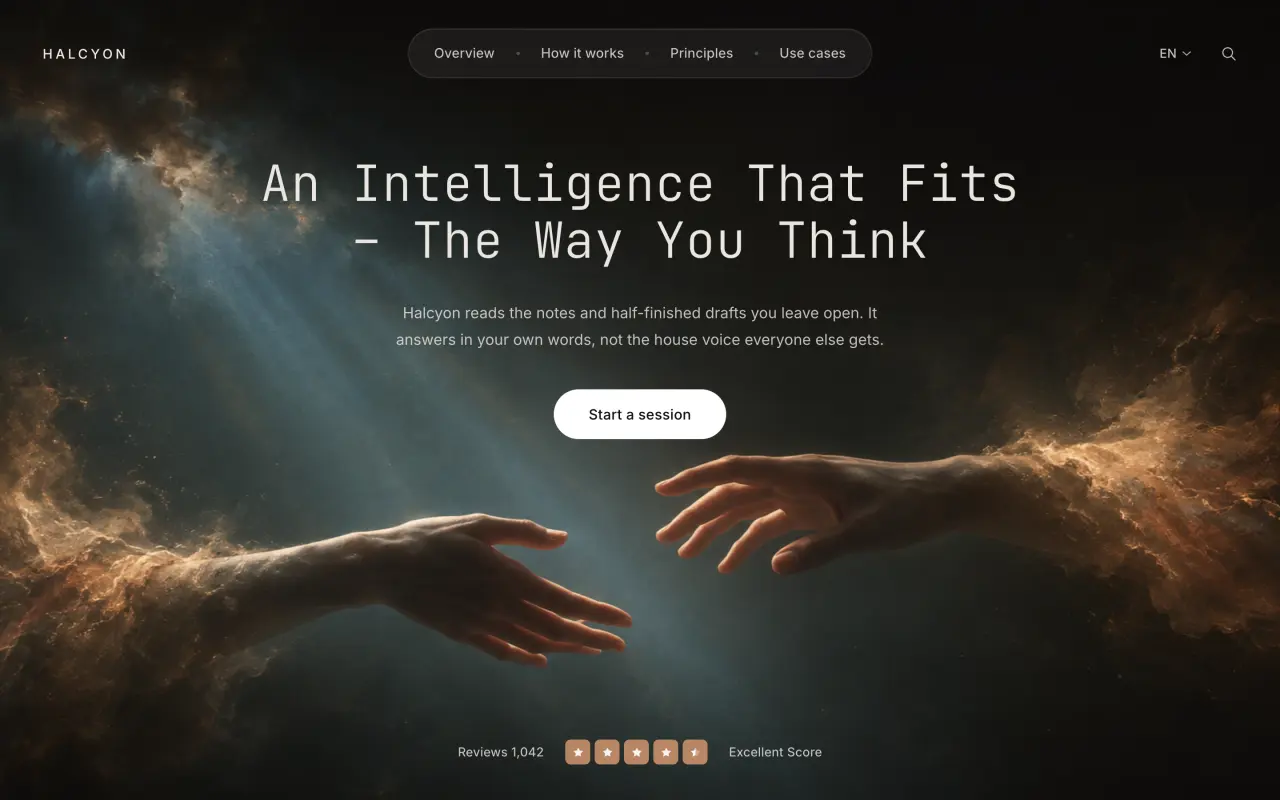 Cinematic AI heroOpus 5
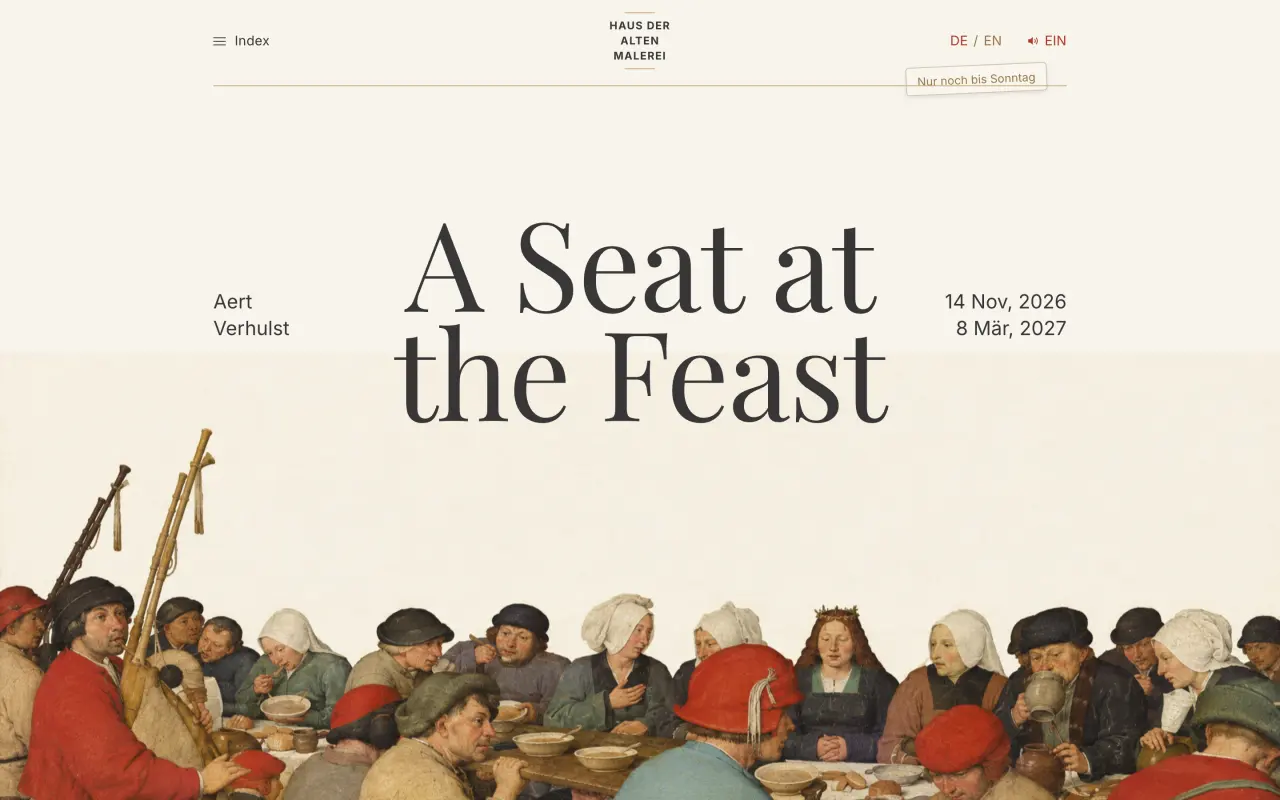 Exhibition microsite heroOpus 5
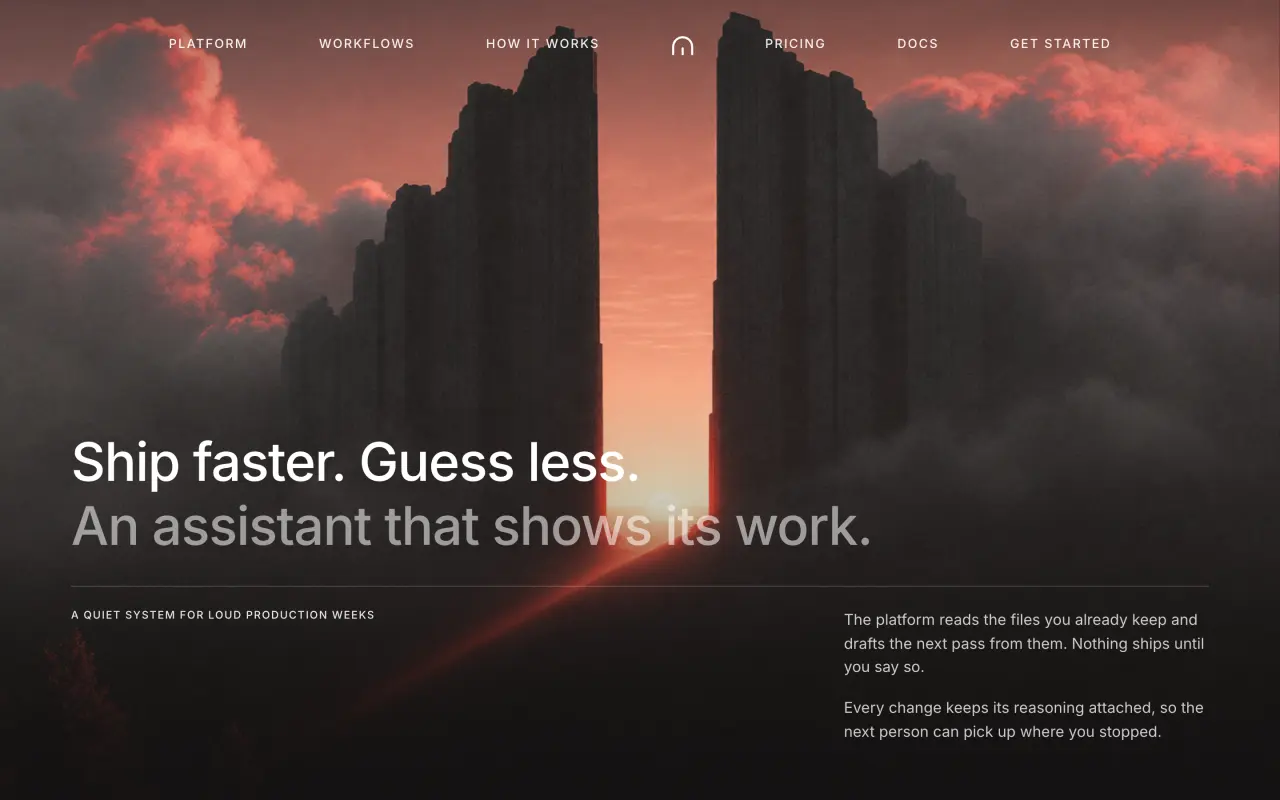 Cinematic AI platform heroOpus 5
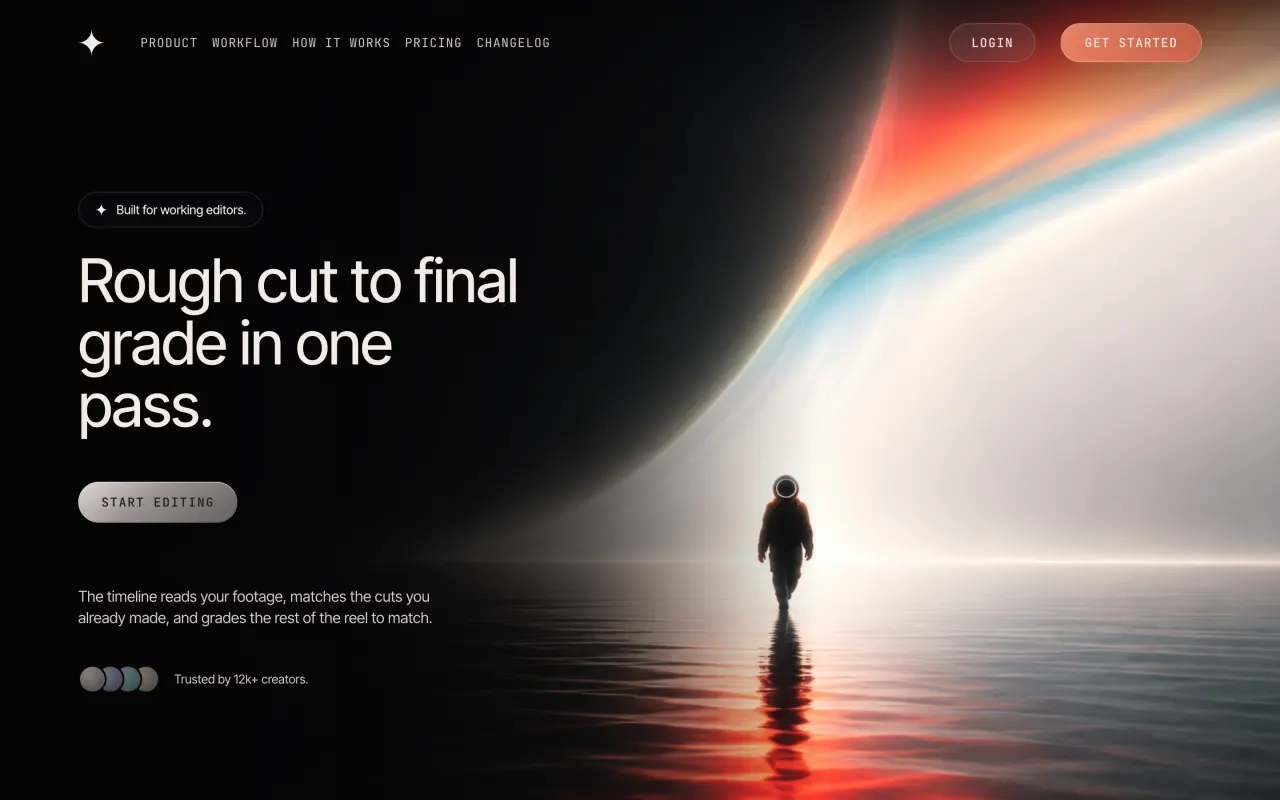 Dark AI editing tool heroOpus 5
 Compliance platform homepageOpus 5
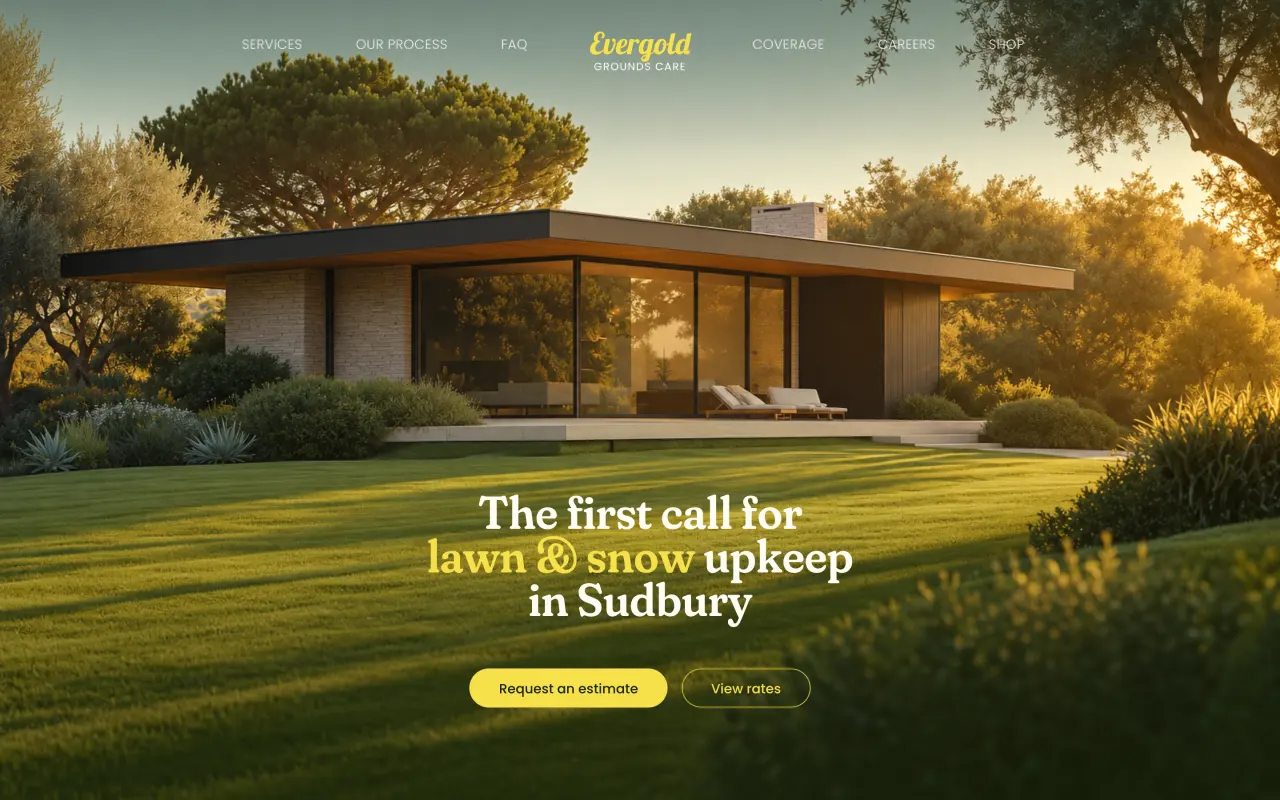 Golden-hour lawn services heroOpus 5.5
 AI image generator landing pageOpus 5.5
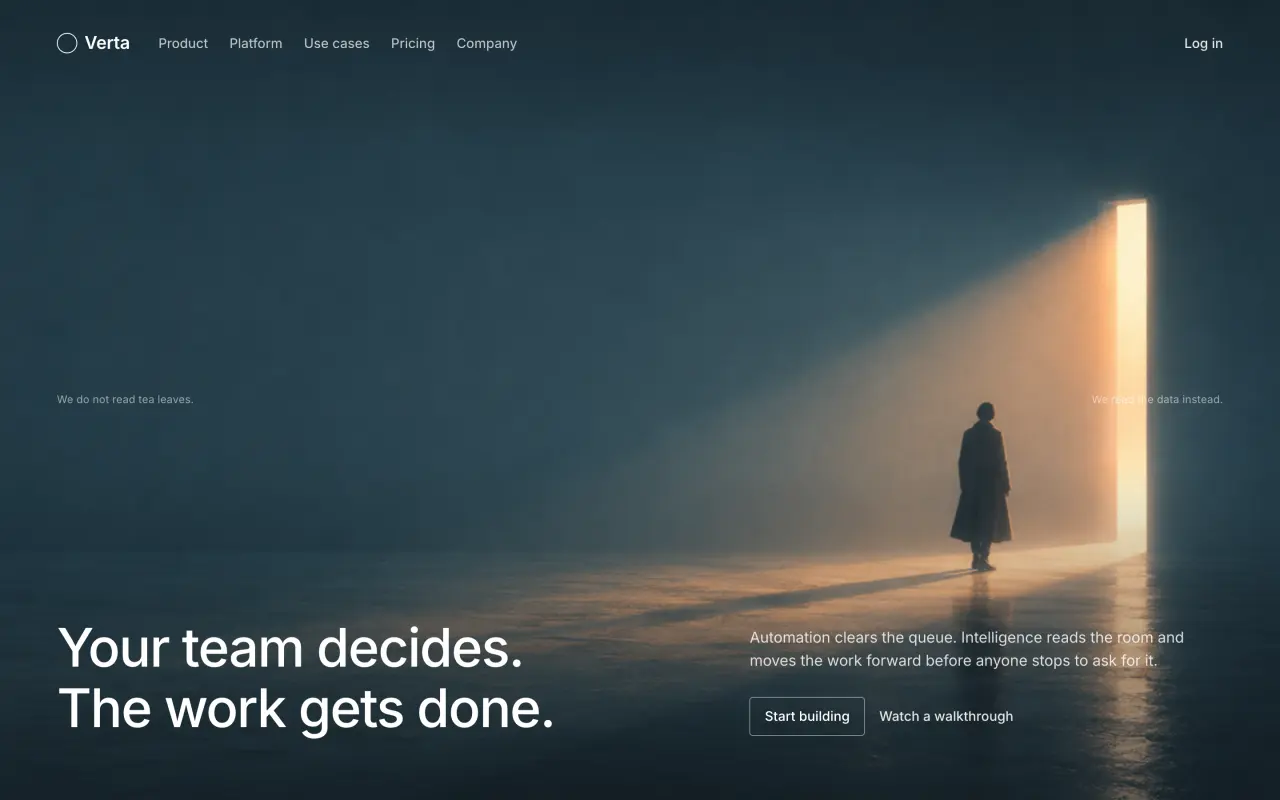 Lit doorway AI heroOpus 5
 Accounting landing pageOpus 5
 Adventure travel heroOpus 5
 Charity fundraising heroOpus 5
 Dark skincare heroOpus 5
 AI support copilot landingOpus 5.5
 Social events club landing pageOpus 5.5
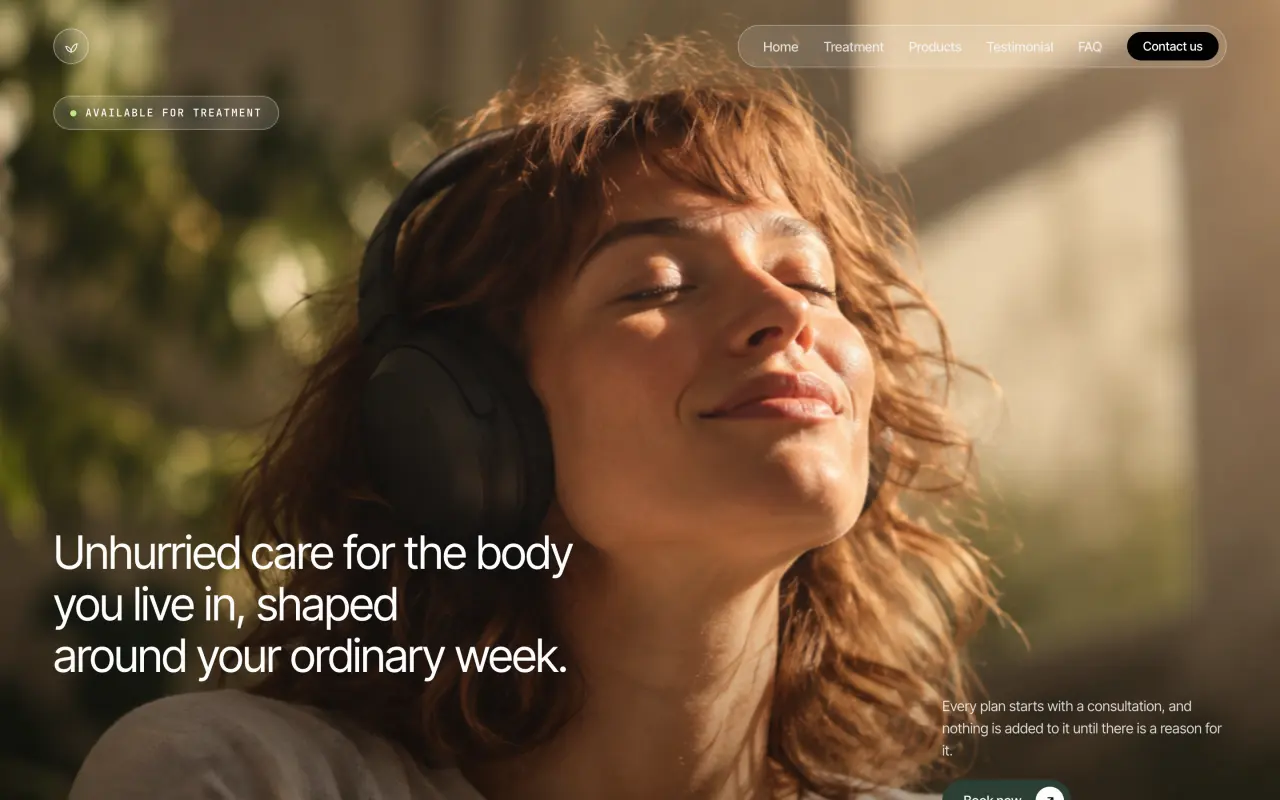 Wellness treatment landing pageOpus 5
 AI sales agents landing pageOpus 5.5
 Cosmic AI heroOpus 5
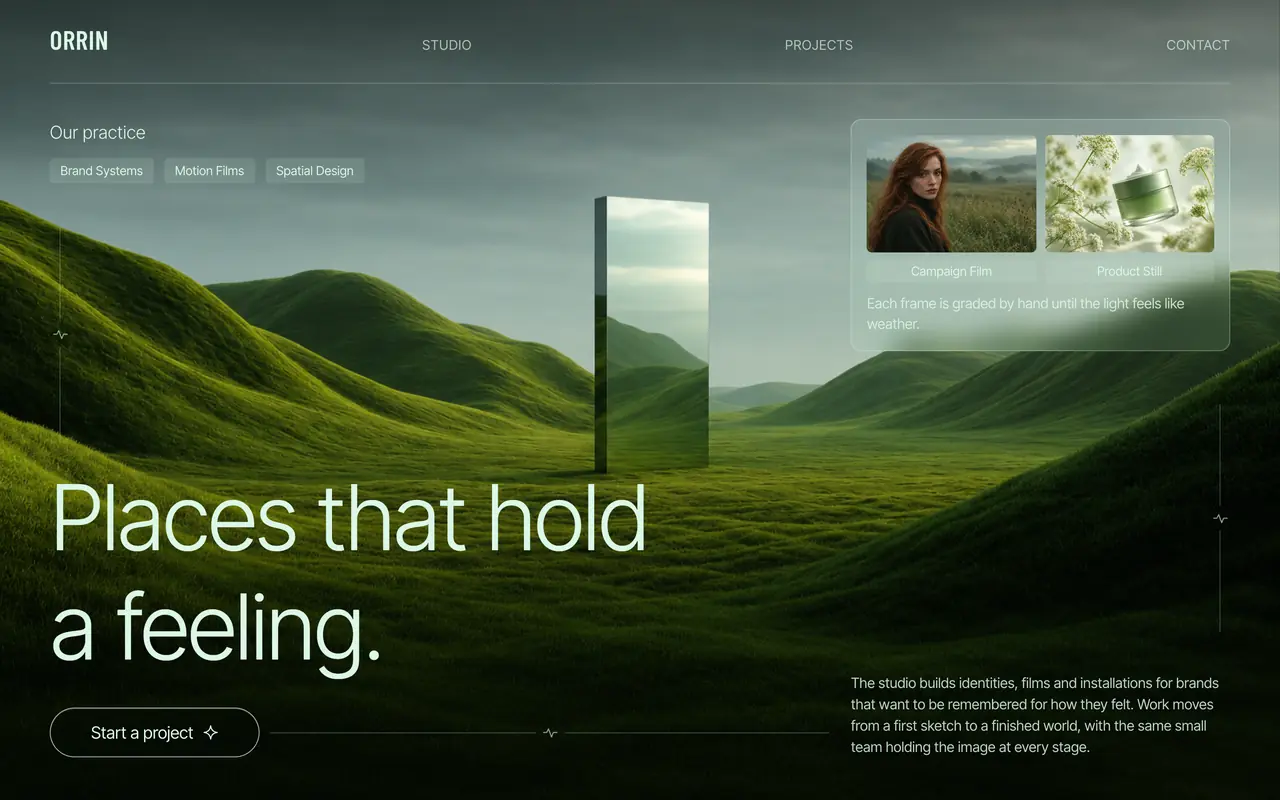 Cinematic agency landscape heroOpus 5.5
 Night-sky landing heroOpus 5
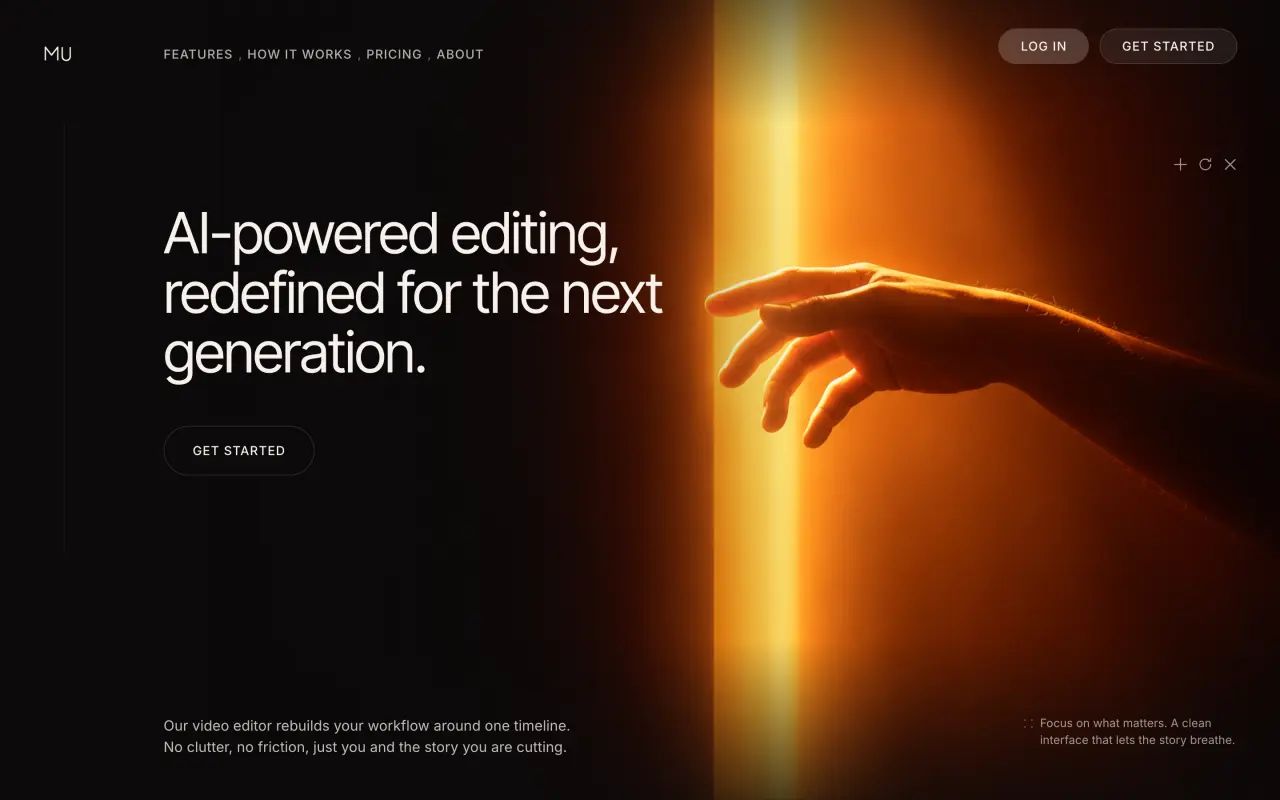 Dark AI video editor heroOpus 5
 AI agents heroOpus 5
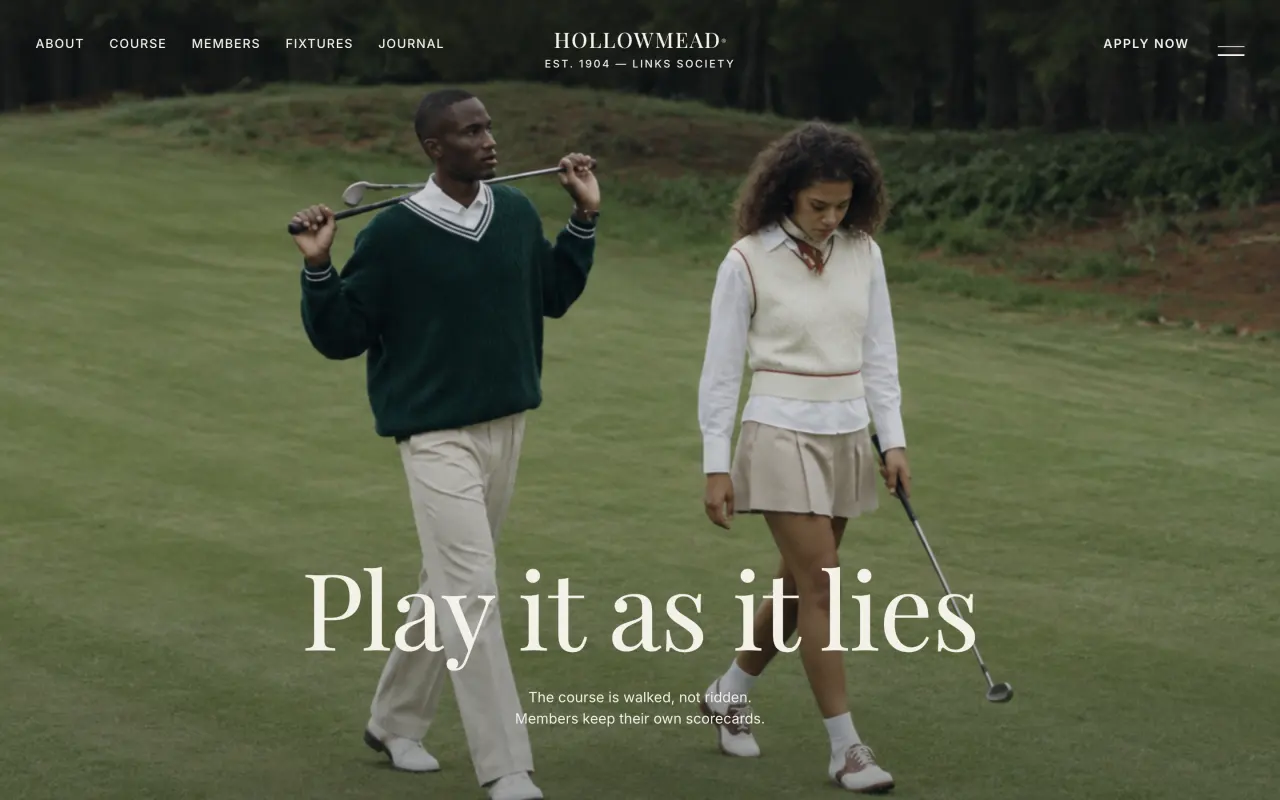 Golf club landing heroOpus 5
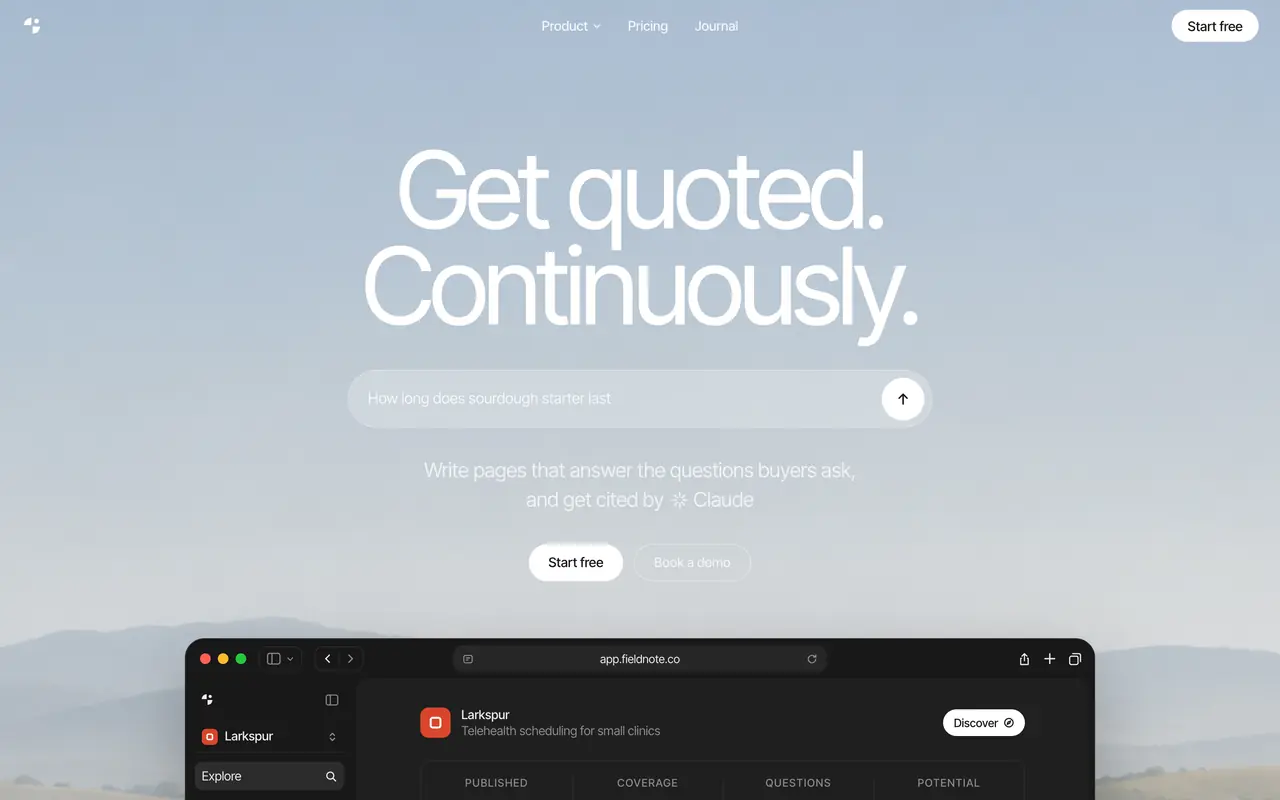 AI SEO landing heroOpus 5.5
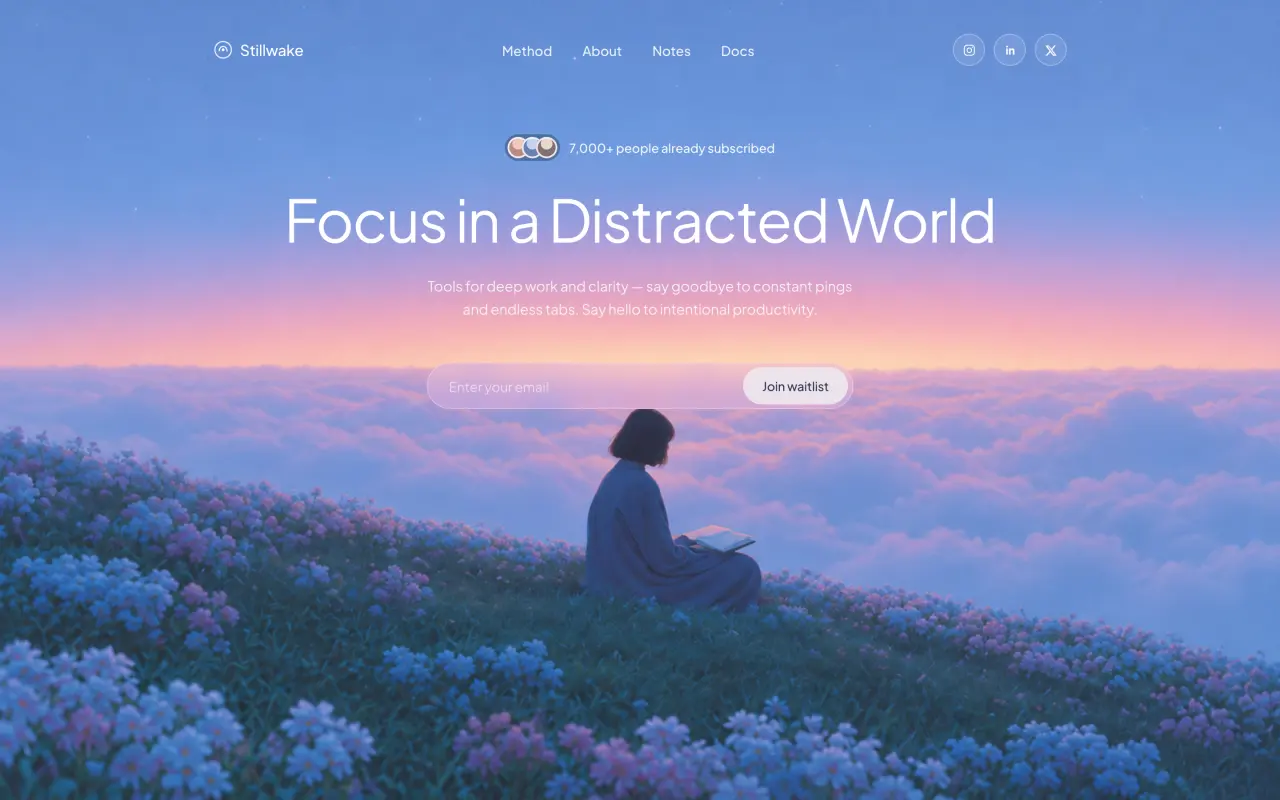 Waitlist landing pageOpus 5
 Neon tennis club landing pageOpus 5.5
 Cinematic AI search heroOpus 5
 AI security landing pageOpus 5.5
 Dark telehealth landingOpus 5
 Vacation rental landing pageOpus 5
 Real estate homepageOpus 5
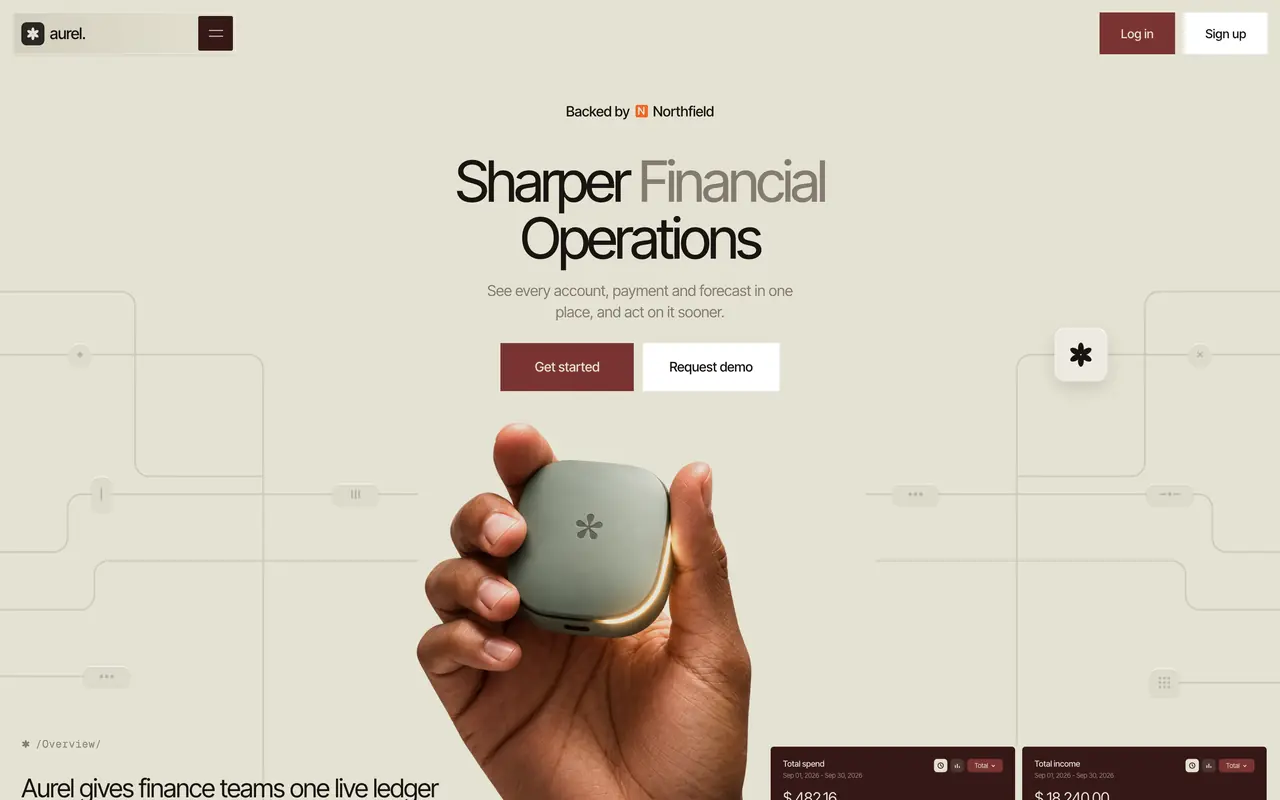 Finance operations landing pageOpus 5.5
Six decisions, with their reasons
The code is private: 27,130 lines of TypeScript, not counting vendored code, and its main files open with the reasoning behind them. These are the six decisions I'd walk you through first.
A full page from real frames
Chromium's full-page screenshot stretches the window to the whole document, so full-height sections balloon and sticky headers repeat. One capture came back 32,000 pixels tall with the hero printed three times, so Taste Vault scrolls for real and stitches the tiles where they were taken.
Motion read off the live page
A separate page load tracks a few hundred elements half a screen at a time, and reads GSAP's ScrollTrigger registry when a site has one. The build prompt copies its timings from that record instead of inventing them.
One image at a time
Two image runs at once swap pictures, because the tool finds its output by diffing a folder of Codex sessions. After a bare lock file lost 17 images on 17/09/2026, a fair ticket queue took over, one picture at a time.
No API keys
Generation runs through the Claude Code and Codex CLIs already signed in on my machine, so it needs no API keys. GPT Image 2 comes the same way, through Codex on my ChatGPT subscription.
Nothing writable from the web
The public showcase is a static export: Server Actions are swapped for stubs and the API routes are set aside during the build, so no write path ships. Locally, the Chrome extension posts to an API on localhost that refuses any request with a web origin.
No analytics before consent
PostHog isn't even downloaded until you accept, so nothing is saved on your device or sent before then. Decline sits next to Accept at the same weight, and events from before your choice wait in memory and go out only if you accept.
Need someone to own the build?
I'm open to a full-time role or a contract build. I read every message myself and reply within 2 business days.
- Full-time role
A senior engineer on your team
Remote on EU hours, or hybrid and on-site in Lisbon.Talk about a role - Contract build
Your product, built end to end
Web, desktop and mobile on TypeScript, Next.js, Convex and Expo, including AI features.Talk about a build